
Being around LEGO bricks has always been a family tradition, with construction toys playing a special role in my early years.
My parents always believed that LEGO bricks were an ideal way to develop visual memory, spatial reasoning and imagination.
So it was only natural that DUPLO bricks accompanied my first steps into this world, allowing me to discover a universe of vibrant colours and endless creative possibilities.
Those large bricks were soon joined by classic LEGO bricks. Having both types at my disposal allowed me to experiment with new building techniques and combinations.
My father already had a LEGO collection dating from the 1970s and 1980s, and I built my first models using his classic LEGO System bricks. Interestingly, I never completely abandoned DUPLO: I later discovered that the larger bricks could be used as an internal framework to reinforce some of my bigger creations.
2006
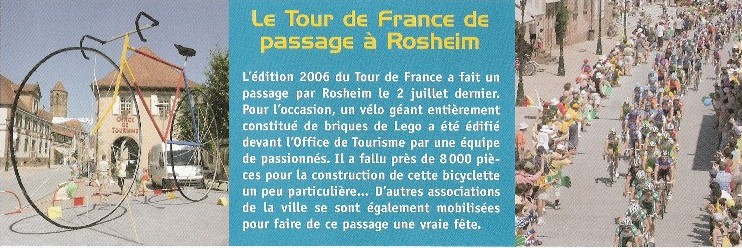
In 2006, the Fana’briques association organised its first LEGO exhibition in the village of Rosheim, Alsace.
I remember a huge bicycle made entirely of LEGO bricks, displayed to coincide with the Tour de France passing through the area. It opened my eyes to a whole new world of possibilities, pushing the boundaries of what I thought could be created with LEGO — both in terms of shape (imagine a circle made of LEGO!) and scale (the bicycle was easily two metres tall!).
Inside, dozens of enthusiasts, many of them adults, displayed official sets from their favourite themes alongside their own original creations.
2014
Over the years, the Fana’briques exhibition attracted more and more visitors and exhibitors.
I soon began taking part in building competitions based on specific themes.
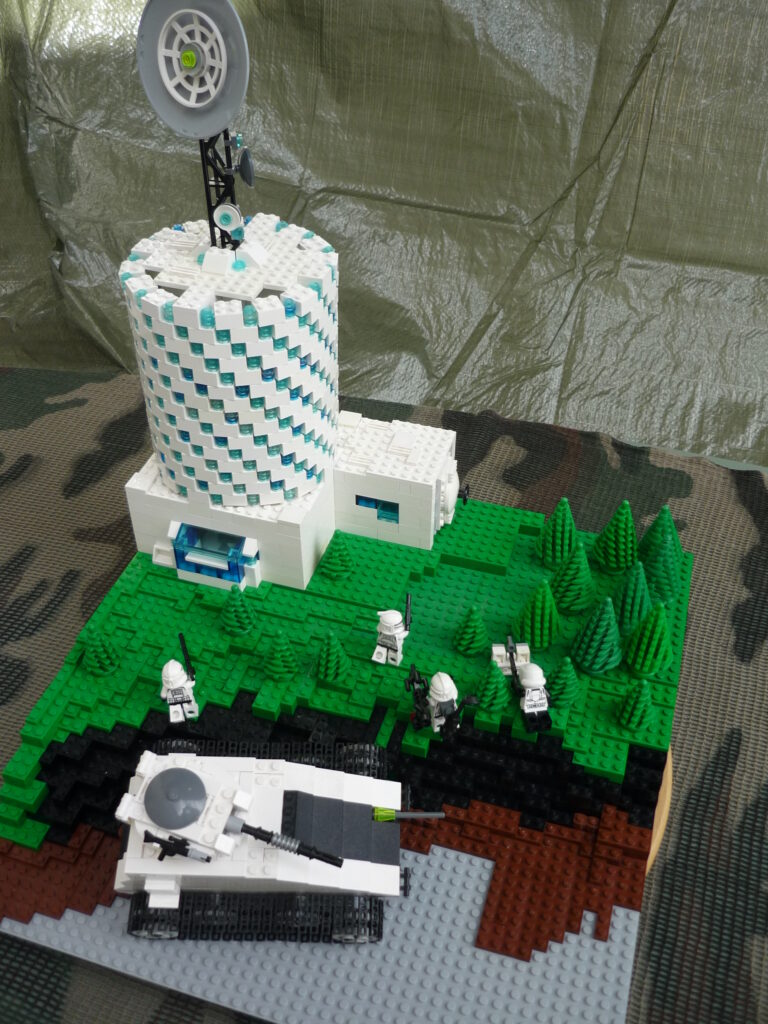
In 2014, I won second place with a model featuring a round tower, using and adapting a building technique I had previously discovered.
It was also at this event that I met Pierre Normandin, who was a Model Designer at LEGO at the time. Meeting him sparked a new ambition!
2015
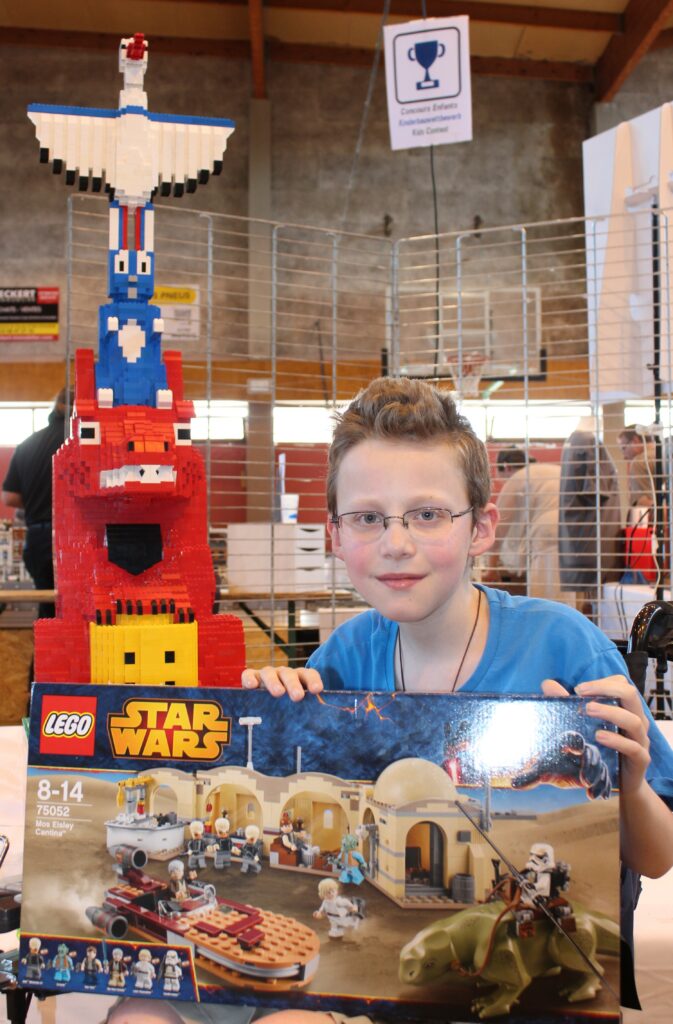
That year’s theme was “Wild Wild West.” As I explain on another page, there was no height limit for the competition, so I decided to create something ambitious: a totem pole standing 1.5 metres tall!
I won first prize in the competition.
2018
I began using new design tools, first LEGO Digital Designer (LDD) and later Stud.io, allowing me to design and develop 3D models before building them with physical bricks.
When physical strength is limited, computer-aided design (CAD) makes it possible to push the boundaries of creativity even further.
2021
I became active in the LEGO BIONICLE community, a particularly creative and enthusiastic fan community. BIONICLE occupies a very distinctive place within the LEGO universe.
One creator, Bionicle For Life, contacted me to create building instructions for models they were selling.
In a YouTube review of these models, content creator Ben Cossy praised my building instructions, comparing their quality to official LEGO instructions.

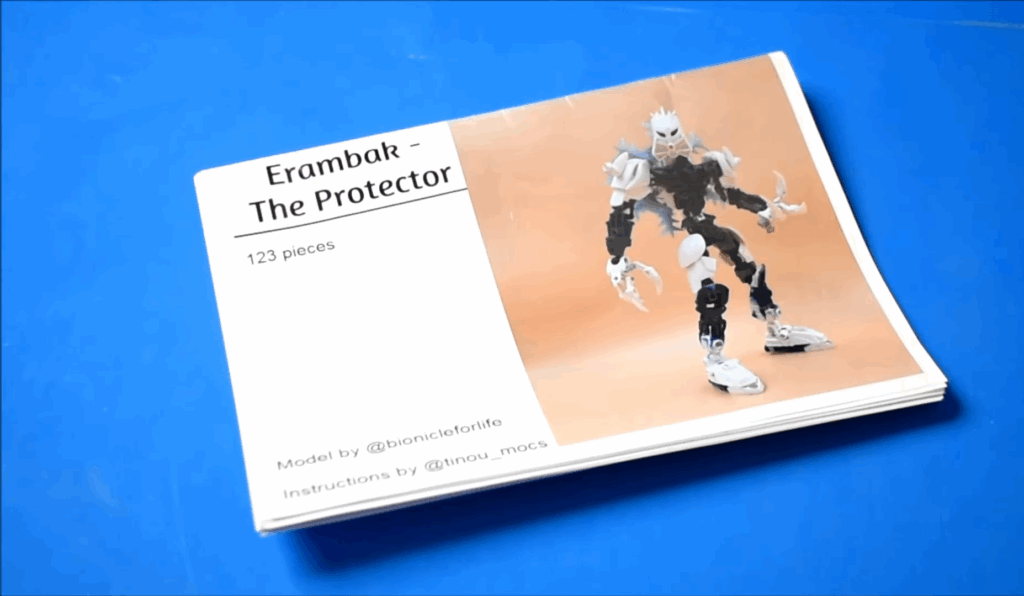
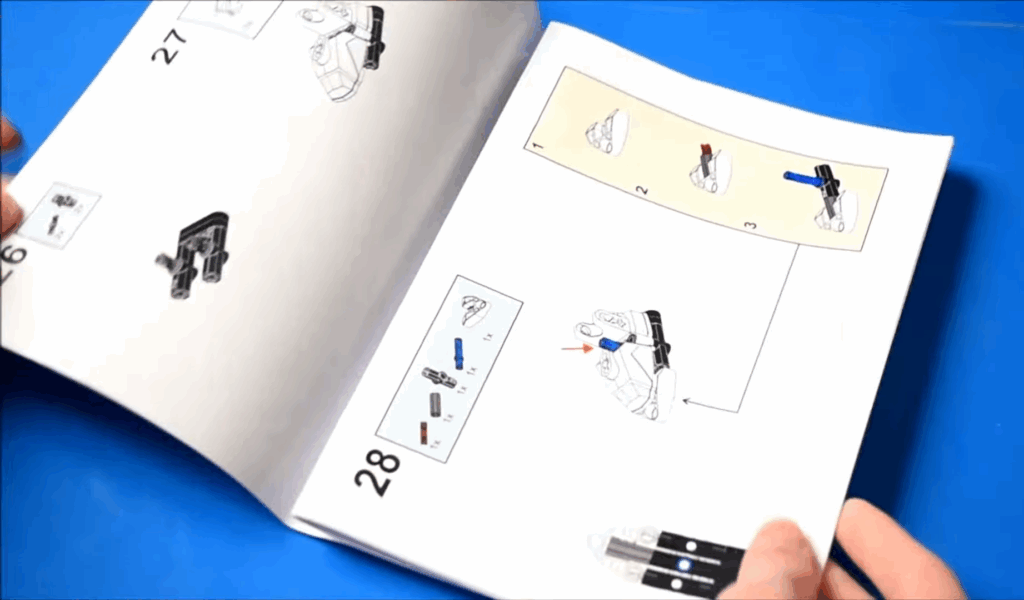
The way the instructions look feels really similar to LEGO instructions, […] it’s clear and straightforward
Ben Cossy – 100K Youtuber, now LEGO Model Designer
2025
I started submitting my creations and taking part in challenges on the LEGO Ideas platform.
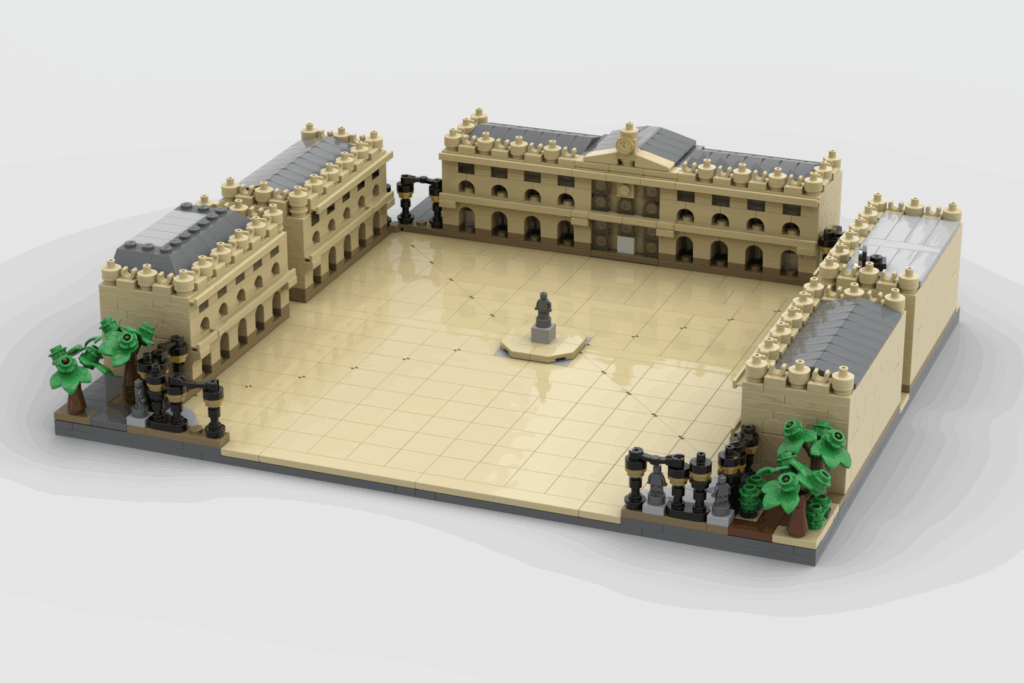
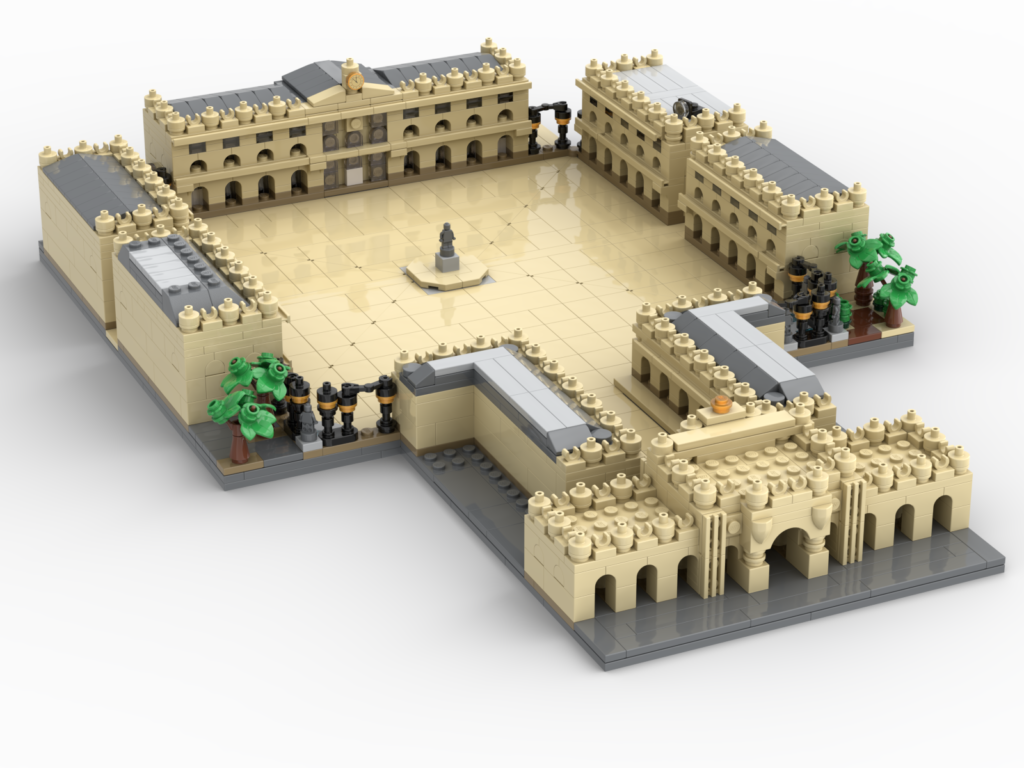
My first major architectural project was Place Stanislas in Nancy, which I recreated in LEGO form. Designing such an iconic architectural ensemble was a new challenge, requiring me to reproduce its proportions, symmetry and distinctive features while adapting them to the constraints of LEGO bricks.
2026
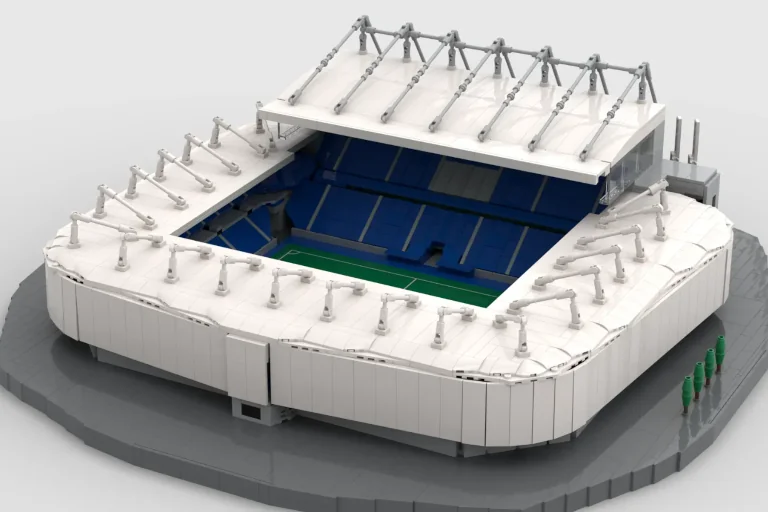
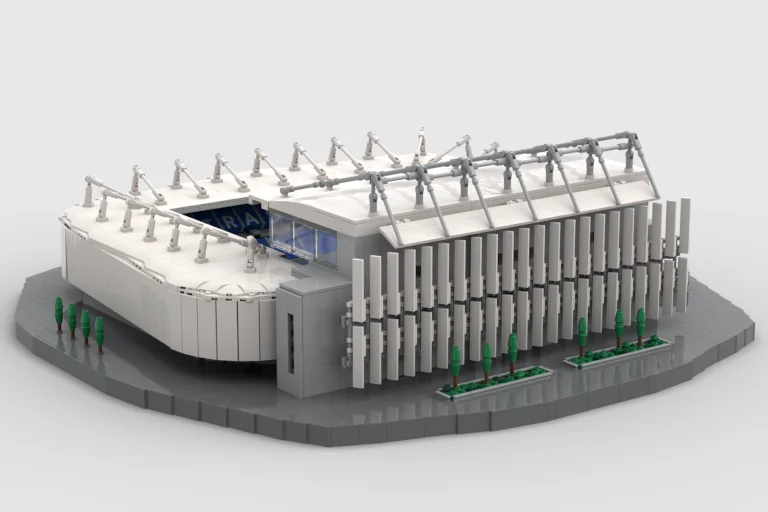
I then took on another ambitious architectural project: La Meinau Stadium in Strasbourg.
Recreating a football stadium presented a completely different set of challenges. I had to reproduce the architecture of the stands, the roof structure and the distinctive proportions of the stadium while creating a model that remained recognisable and coherent at LEGO scale.
The model was also submitted to LEGO Ideas, continuing the adventure of sharing my architectural creations with LEGO enthusiasts around the world.